


Bloom is a five-part web series
aimed at students aged I2–I6.
As part of Camp Quality’s Cancer Education Program, Bloom follows the story of Jasmine, a teenage girl diagnosed with Hodgkin lymphoma. Each episode offers a different perspective – her own, her best friend’s, and family members’, highlighting the far-reaching physical, mental and emotional impact of teenage cancer. Bloom was co-produced by Arterial Films, Camp Quality and Canteen, with support from Screen Australia and Cancer Australia’s Supporting People with Cancer Grant initiative.
Bloom is an engaging five-part web series aimed at students aged 12–16.
Available to view for free on ClickView and YouTube as part of Camp Quality’s Cancer Education Program, Bloom follows the story of Jasmine, a teenage girl diagnosed with Hodgkin lymphoma. Each episode offers a different perspective – her own, her best friend’s, and family members’, highlighting the far-reaching physical, mental and emotional impact of teenage cancer. Bloom was co-produced by Arterial Films, Camp Quality and Canteen, with support from Screen Australia and Cancer Australia’s Supporting People with Cancer Grant initiative.
Each episode is supported by a teacher resource.
WATCH NOW
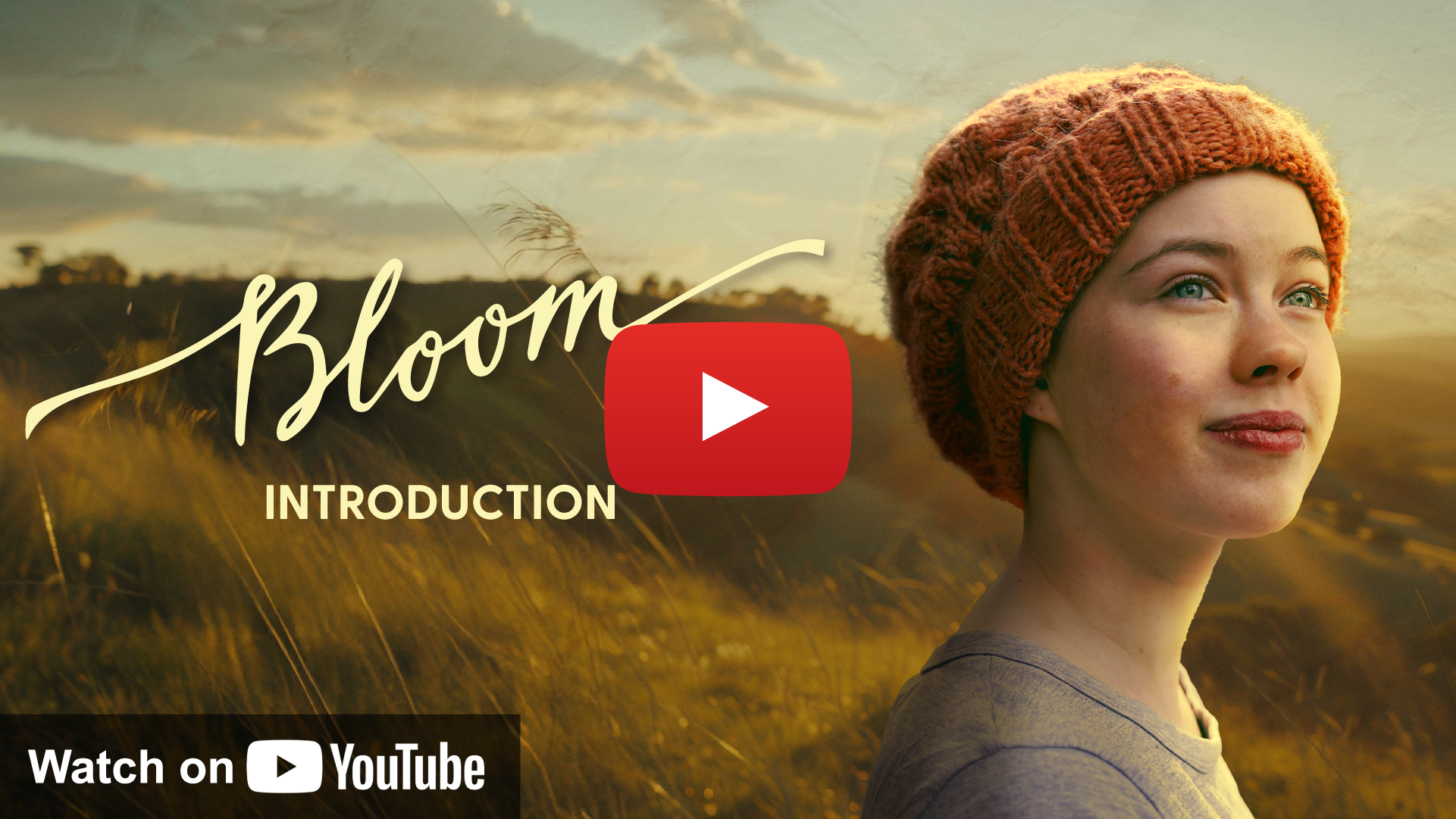
Intro
Camp Quality alumnus Sadie introduces Bloom, a web series that explores the impact of a teen cancer diagnosis. Each episode comes with classroom resources for students aged 12-16 as part of Camp Quality’s Cancer Education Program.
In the Introduction lesson, students learn about the Bloom program and reflect on their experience with cancer – either their own diagnosis, that of a family member or a friend.
PG – Parental guidance recommended. Mild themes and coarse language.
Camp Quality alumnus Sadie introduces Bloom, a web series that explores the impact of a teen cancer diagnosis. Each episode comes with classroom resources for students aged 12-16 as part of Camp Quality’s Cancer Education Program.
PG – Parental guidance recommended. Mild themes and coarse language.
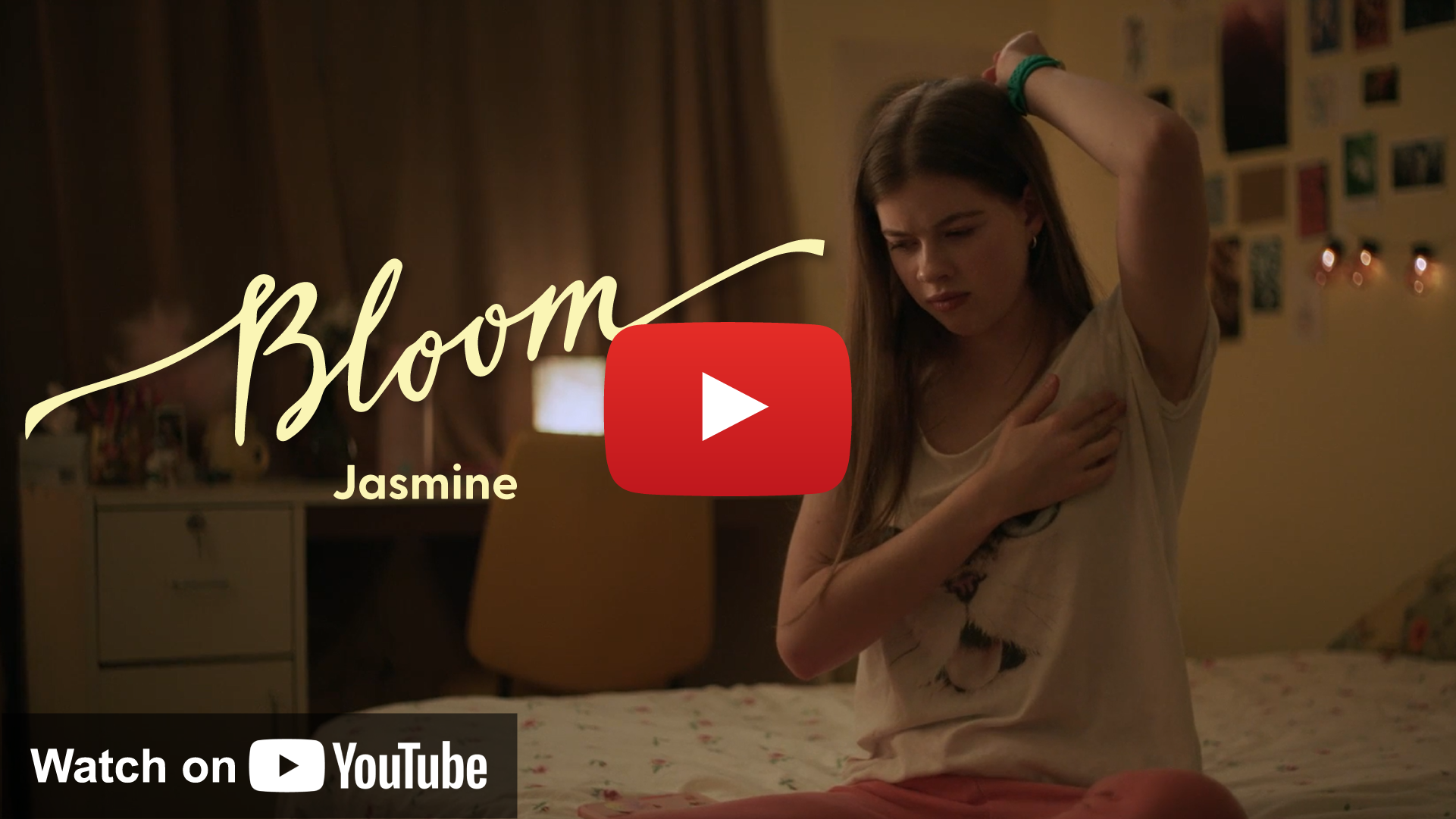
Jasmine is 16. She’s sharp, sarcastic, and totally unprepared for what it means to be ‘the girl with cancer’. In this episode, Jasmine talks us through her experience of a summer that is far from the one she had planned.
In the Episode 1 lesson, students will look at the early warning signs of cancer and how important it is to take responsibility for one’s own health by seeking help and advice, from a health professional, early.
PG – Parental guidance recommended. Mild themes and coarse language.
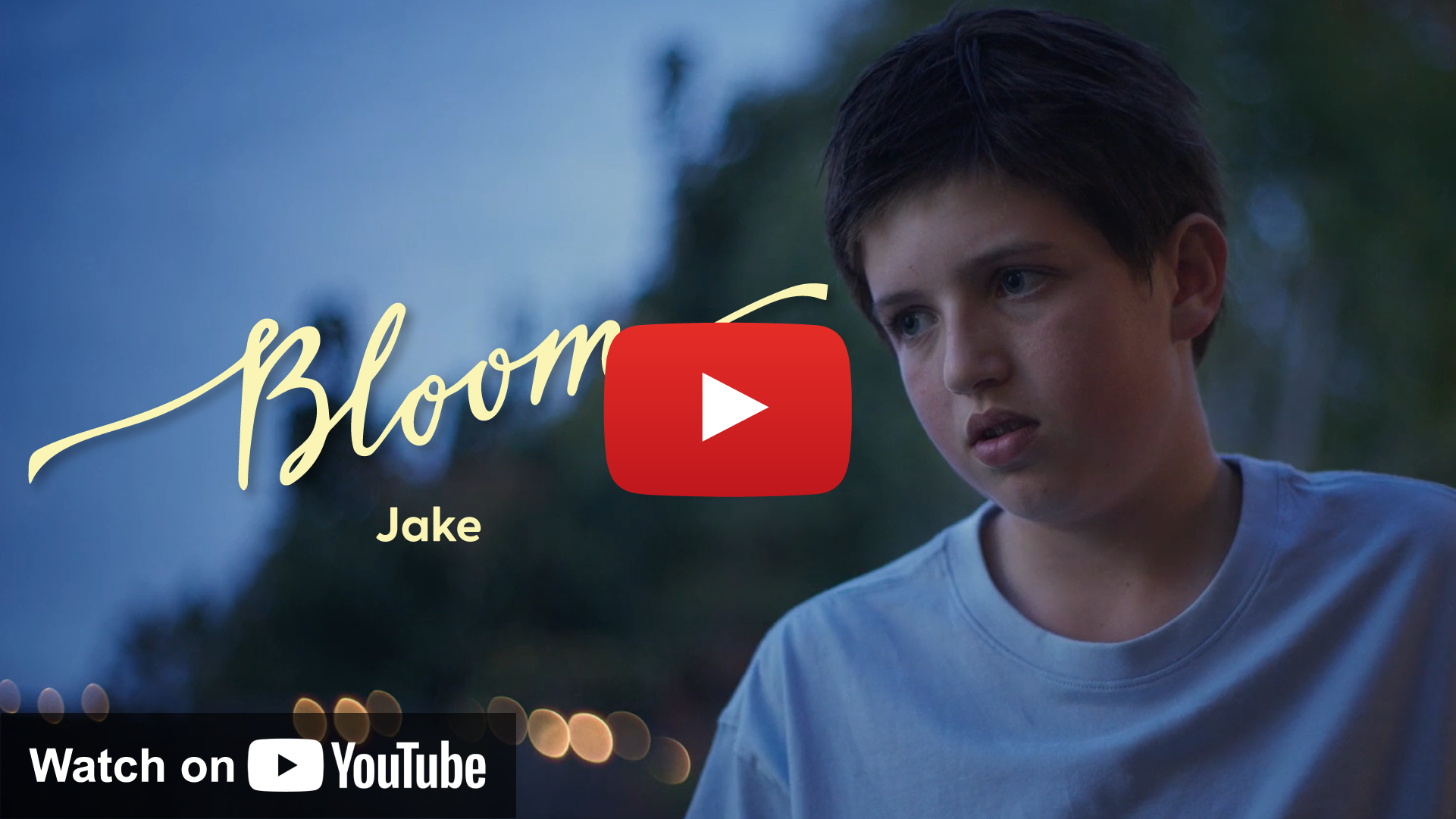
Jake, 13, is Jasmine’s little brother. Jake’s story illustrates how a cancer diagnosis affects all the children in the family, not just the diagnosed teen. Despite feeling angry, scared and invisible, Jake still does his best to show up for his big sister.
In the Episode 2 lesson, students explore facts and myths of cancer and learn how to approach difficult conversations and support someone facing a serious illness.
PG – Parental guidance recommended. Mild themes and coarse language.
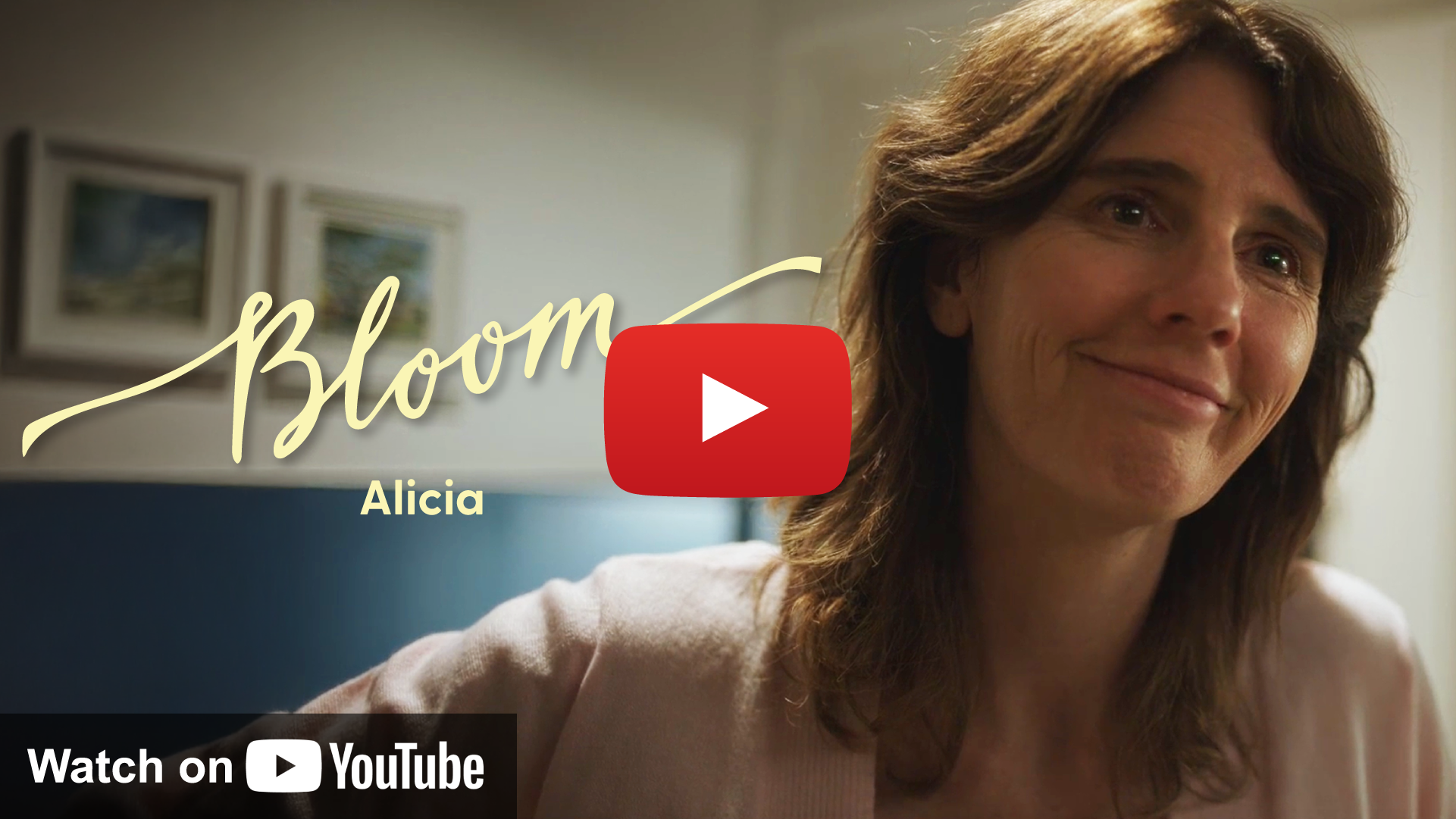
Jasmine’s diagnosis is tough on Alicia, Jasmine’s mum. Alicia is already working full time and raising two kids, as well as managing Jasmine’s numerous medical appointments, treatments and medications - and her own feelings of guilt, helplessness and fear.
In the Episode 3 lesson, students gain an understanding of the different stages of cancer treatment and how we can train our minds to cope with stress.
PG – Parental guidance recommended. Mild themes and coarse language.
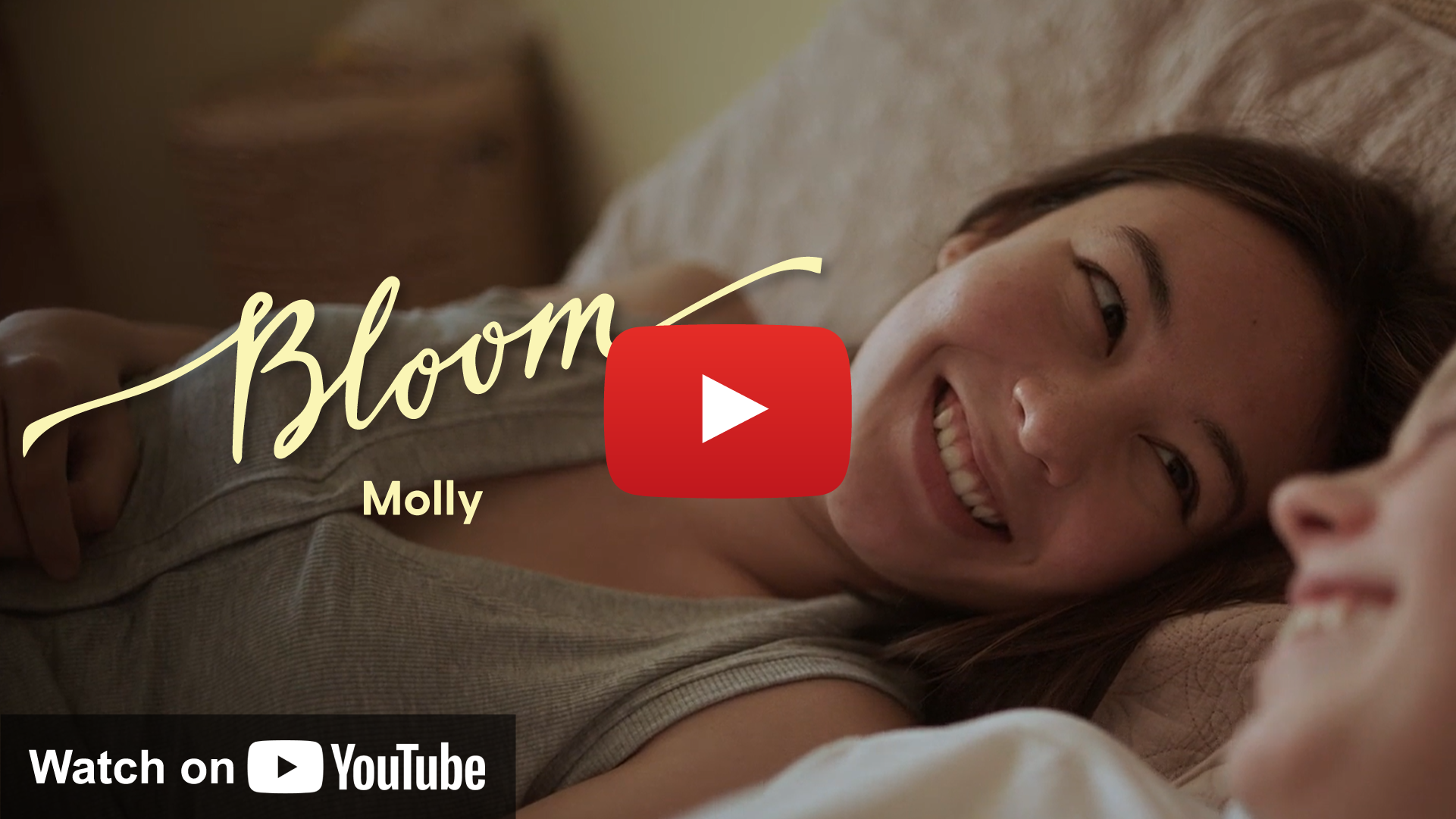
Jasmine’s best friend, Molly, lost her mum to cancer years ago, so really understands what Jasmine is going through. Jasmine’s diagnosis brings up some big feelings for Molly, who finds ways to support her bestie through this incredibly difficult time.
In the Episode 4 lesson, students learn the difference between being a ‘bystander’ and an ‘upstander’ and how to offer proactive support when people need it.
PG – Parental guidance recommended. Mild themes and coarse language.
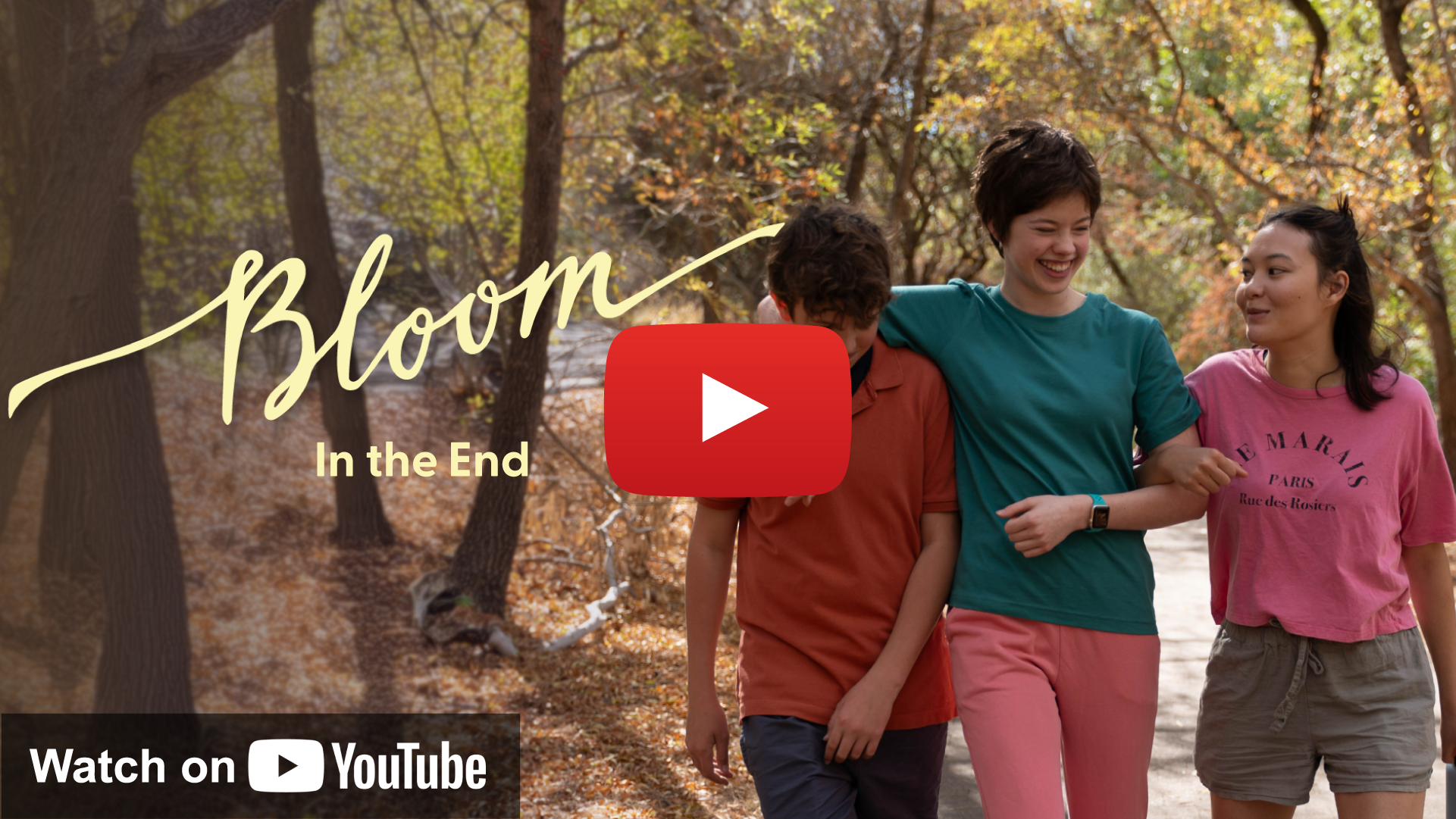
- In this final episode of Bloom, we flash forward to a few months after Jasmine’s last round of chemo. However, new challenges surface for Jasmine, but with it, a new sense of resolve and optimism for the future – whatever it may bring.
In the Episode 5 lesson, students explore the ways serious illnesses, including cancer, continue to affect patients and their families, longer term.
PG – Parental guidance recommended. Mild themes and coarse language.
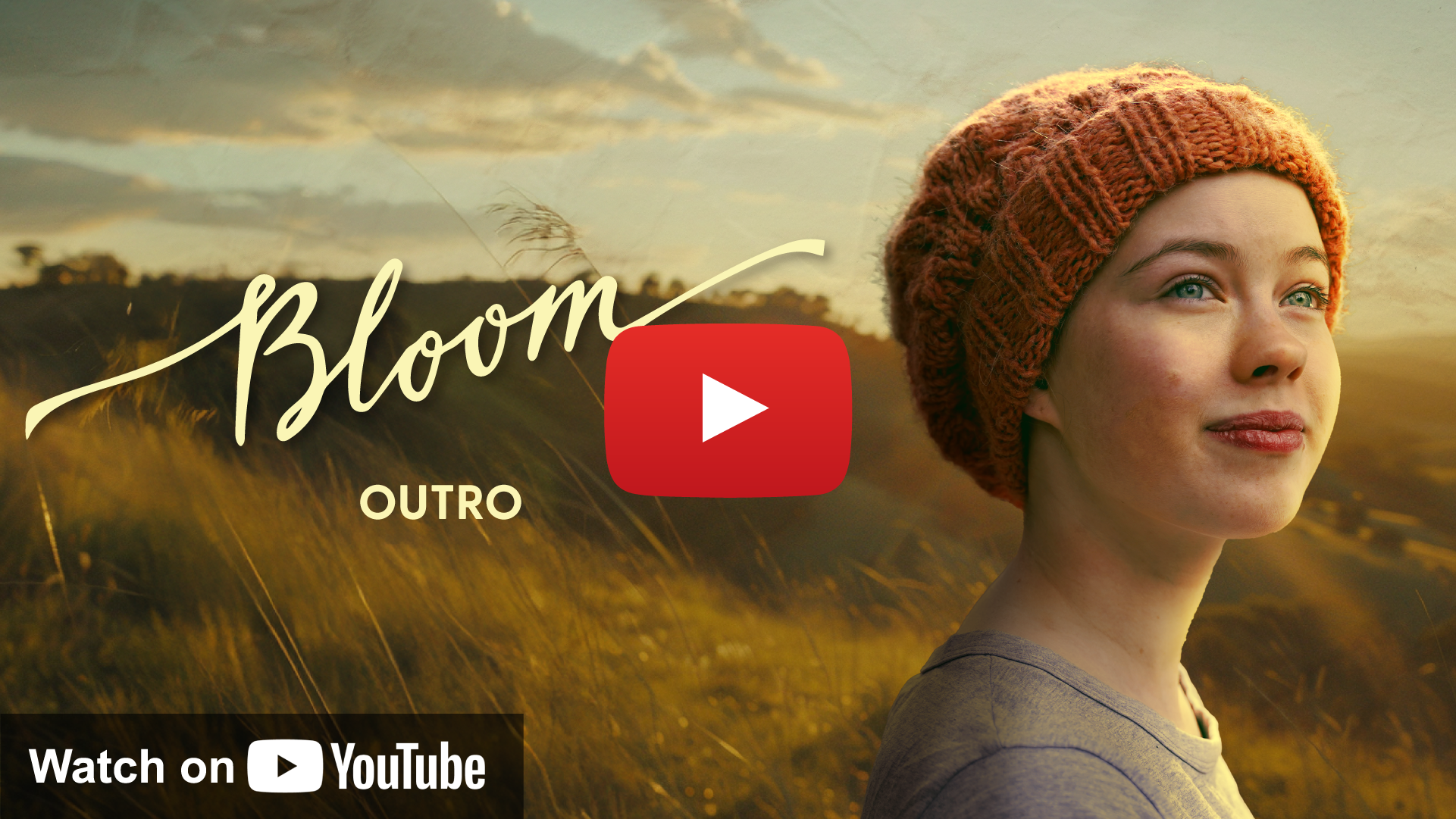
Sadie wraps up the series, asking viewers to participate in a survey about Bloom and urges everyone to get involved in continuing the discussion about teenage cancer in Australia.
The Looking to the Future lesson focuses on the power of positivity in managing illness. Students create a message to support someone during a tough time.
PG – Parental guidance recommended. Mild themes and coarse language.
Share your feedback
We’d love to hear your thoughts on Bloom Web series.
Please take a moment to rate the series.
Episode I: Jasmine
Jasmine is 16. She’s sharp, sarcastic, and totally unprepared for what it means to be ‘the girl with cancer’. In this episode, Jasmine talks us through her experience of a summer that is far from the one she had planned.
In the Episode 1 lesson, students will look at the early warning signs of cancer and how important it is to take responsibility for one’s own health by seeking help and advice, from a health professional, early.
PG – Parental guidance recommended. Mild themes and coarse language.
Episode 2: Jake
Jake, 13, is Jasmine’s little brother. Jake’s story illustrates how a cancer diagnosis affects all the children in the family, not just the diagnosed teen. Despite feeling angry, scared and invisible, Jake still does his best to show up for his big sister.
In the Episode 2 lesson, students explore facts and myths of cancer and learn how to approach difficult conversations and support someone facing a serious illness.
PG – Parental guidance recommended. Mild themes and coarse language.
Episode 3: Alicia
Jasmine’s diagnosis is tough on Alicia, Jasmine’s mum. Alicia is already working full time and raising two kids, as well as managing Jasmine’s numerous medical appointments, treatments and medications - and her own feelings of guilt, helplessness and fear.
In the Episode 3 lesson, students gain an understanding of the different stages of cancer treatment and how we can train our minds to cope with stress.
PG – Parental guidance recommended. Mild themes and coarse language.
Episode 4: Molly
Jasmine’s best friend, Molly, lost her mum to cancer years ago, so really understands what Jasmine is going through. Jasmine’s diagnosis brings up some big feelings for Molly, who finds ways to support her bestie through this incredibly difficult time.
In the Episode 4 lesson, students learn the difference between being a ‘bystander’ and an ‘upstander’ and how to offer proactive support when people need it.
PG – Parental guidance recommended. Mild themes and coarse language.
Episode 5: In the EnD
In this final episode of Bloom, we flash forward to a few months after Jasmine’s last round of chemo. However, new challenges surface for Jasmine, but with it, a new sense of resolve and optimism for the future – whatever it may bring.
In the Episode 5 lesson, students explore the ways serious illnesses, including cancer, continue to affect patients and their families, longer term.
PG – Parental guidance recommended. Mild themes and coarse language.
Outro
Sadie wraps up the series, asking viewers to participate in a survey about Bloom and urges everyone to get involved in continuing the discussion about teenage cancer in Australia. Please take the survey below.
The Looking to the Future lesson focuses on the power of positivity in managing illness. Students create a message to support someone during a tough time.
PG – Parental guidance recommended. Mild themes and coarse language.
Share your feedback
We’d love to hear your thoughts on Bloom Web series.
Please take a moment to rate the series.